
 Share
ShareUniqlo's Lessons in Digital Experience and CX Transformation
In a world where competition for user attention is increasingly fierce, a well-designed digital experience can make all the difference. In this edition, we explore how Uniqo has transformed its digital ecosystem to offer a seamless user experience (UX) and how these strategies can inspire companies to innovate and connect with their customers more effectively.
What is Uniqlo?
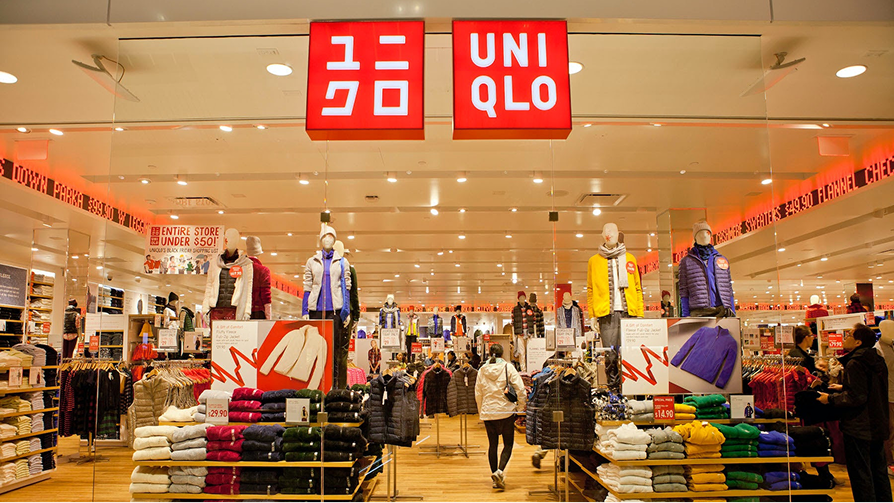
Uniqlo is a leading Japanese casual fashion brand, known for its focus on functionality, minimalism, and accessibility. With a global presence, the brand has positioned itself as an option for those seeking high-quality clothing at affordable prices. Beyond its success in the fashion world, Uniqlo is an example of how a well-executed digital strategy can strengthen customer relationships and expand its influence in highly competitive markets.
The Power of a Strategically Designed Digital Ecosystem
Uniqlo provides an exemplary case of how a strategic focus on UX can significantly improve brand perception and customer satisfaction. Its transition from an outdated website to an integrated, user-centered digital ecosystem is a prime example of the impact of prioritizing experience.
1. A Redesign to Lay a Strong Foundation
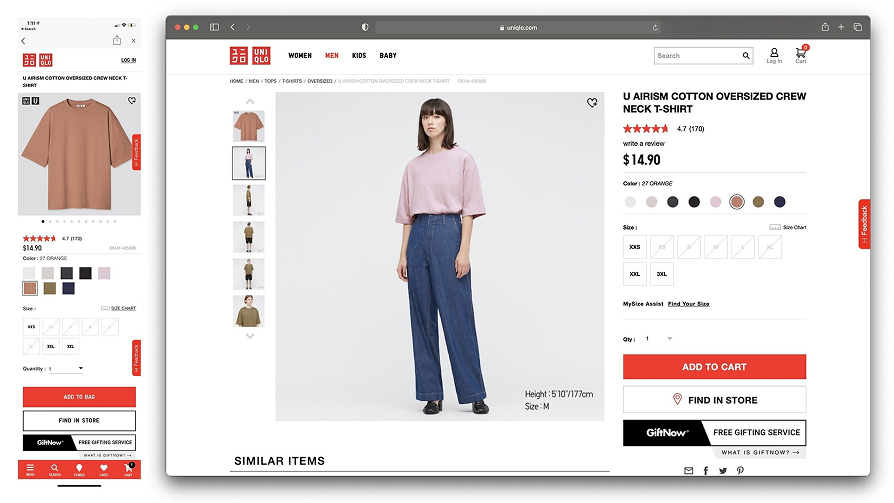
Uniqlo's decision to completely redesign its website not only modernized its appearance but also incorporated digital design best practices:
- Clean interface and clear visual hierarchy: Facilitates navigation with minimalist main categories and well-structured drop-down menus.
- Functional differentiation: Search, favorites, and cart icons are strategically separated from the product menu, creating an intuitive navigation flow.
This redesign demonstrates the importance of building a solid foundation that can evolve with user needs, aligning with principles like Jacob's Law, which highlights familiarity as key to a good user experience.
2. Details that Bridge the Gap Between Physical and Digital
Uniqlo has integrated functionalities that enrich the digital user experience, such as:
- Interaction options: Reducing doubts when shopping online and eliminating a common barrier in e-commerce.
- Smart filters: While still perfectible, their incorporation optimizes the search among hundreds of products, a key lesson for designing better e-commerce experiences.
- Size suggestions and digital fit personalization: Based on user-provided attributes, it suggests the correct clothing size and fit options for customizable garments, eliminating a common barrier in e-commerce.

3. A Native App that Solves Real Needs
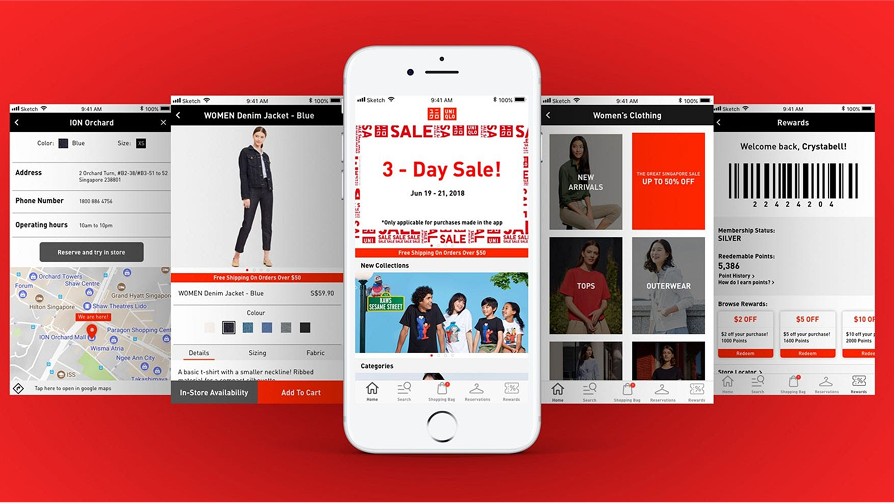
The Uniqlo app isn't just a reduced version of its website, but a tool designed for the mobile user:
- Predictive search: Finds products quickly as you type.
- In-app scanning: Ideal for in-store shopping, allowing you to check availability and sizes in real time.
- Optimized design: With visible tabs instead of hidden menus, it ensures that key options are always accessible.
Uniqlo reminds us that investing in strategic digital design can positively impact every stage of the customer journey. From intuitive navigation to the integration of online and physical services, these improvements not only increase conversion but also strengthen customer relationships.
At Playful, we help companies transform their digital ecosystems to connect deeply with their audiences. Whether it's optimizing information architecture, redesigning user flows, or integrating innovative digital tools, we work to make every interaction memorable and strategic.


YOU MIGHT ALSO BE INTERESTED IN:
Prueba 2 in inglish

The Power of Adding Talent to Transform Your Project

A Moment to Play: what we learned at our first community session

3 Design Trends That Are Redefining the Digital Experience