 Share
Share3 Design Trends That Are Redefining the Digital Experience
We’re sharing three trends that are changing the way organizations design digital experiences. We won't just tell you about them—we’ll show you how to apply them strategically and creatively to generate real value.
1. Emotional Design
Connect with your users on a deeper level
Emotional Design goes beyond simple functionality, focusing on how users feel when they interact with a product or website. By incorporating emotions, feelings, and concerns into every design decision, you can create an experience that deeply resonates with the user, building a lasting and meaningful connection.
One of the most important elements of this approach is aligning experiences with individual preferences. Personalizing each interaction cultivates a positive emotional relationship with the product. In addition, maintaining brand consistency across all touchpoints ensures a cohesive experience, which strengthens user loyalty and trust.
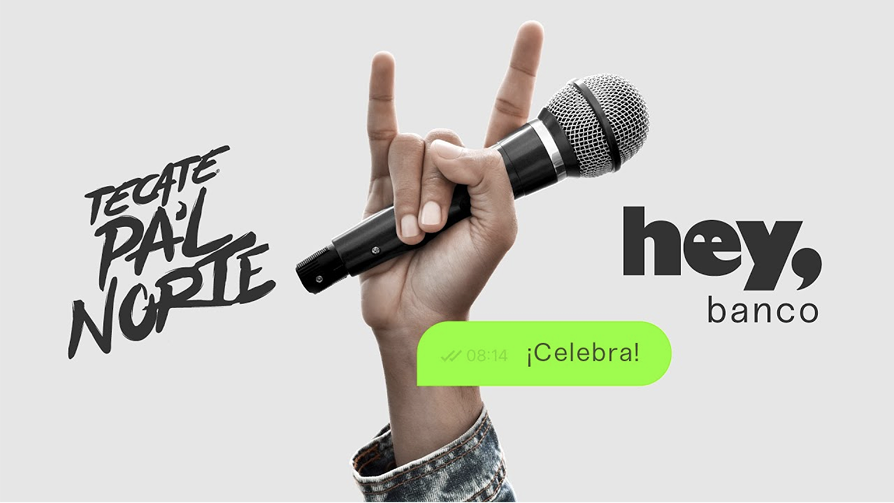
A local example applying this trend is Hey Banco. This fintech from Monterrey has made it very clear which user segments and personality types its value proposition is modeled for.
Where we can see it:
From the branding used across all its communication channels, its strategic partnerships, a physical location in selected cities called “Hey Shop,” and, of course, the strongest point: the design of the user experience and interaction on the web and through the app.
Hey Banco has skillfully made decisions based on the user experience, staying consistent with its brand language, service design, graphics, and interactions that, from the very first click, immerse users in the Hey experience.
2. Data Visualization
Make your data speak—and connect
Data visualization has become a fundamental emerging trend in user experience (UX). The ability to graphically represent complex data through the use of charts, maps, and diagrams facilitates the understanding of patterns and trends, allowing users to make more informed decisions.
The main goal of data visualization in UX design is to make information more accessible and actionable, enabling users to extract key insights quickly and effectively. This approach not only enhances the user experience but also optimizes workflow and real-time decision-making.
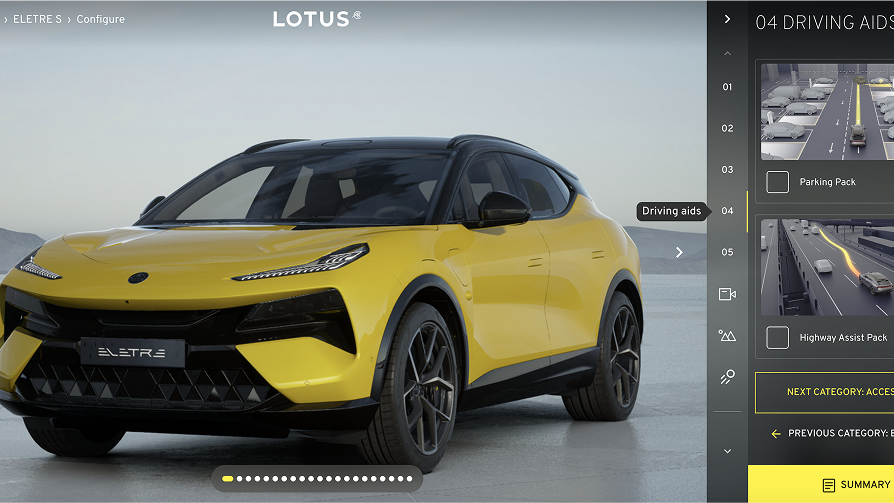
We can see this trend applied in the virtual showroom of the SUV brand Lotus. An interesting aspect of this luxury brand is that it doesn’t have physical showrooms, and they solved the challenge by making the experience a virtual, interactive one.
A great example?
The Lotus Personal Showroom is a minimalist UX experience entirely centered on a chat interface. In fact, the designers of this project used the open platform of ChatGPT so that the language would feel natural. This allows customers to ask questions via a message, and this message generates a "prompt" that takes them in a matter of seconds to other pages of the same company with information in the form of charts, videos, customizable content, etc., so they can live the personalized experience in their virtual showroom.
3. Personality-Oriented Design
Designing for Personality Diversity
Personality-Oriented Design is a trend focused on segmenting users based on psychographic parameters such as their values, lifestyle, and behaviors. Each personality type is approached differently, adjusting the design and information presentation to meet the specific needs of each group.
This strategy allows for the personalization of experiences according to the individual motivations and preferences of users, resulting in more meaningful and effective interactions. Despite the simplification involved, this classification by personality types has proven to be a powerful tool for improving user feedback and satisfaction.
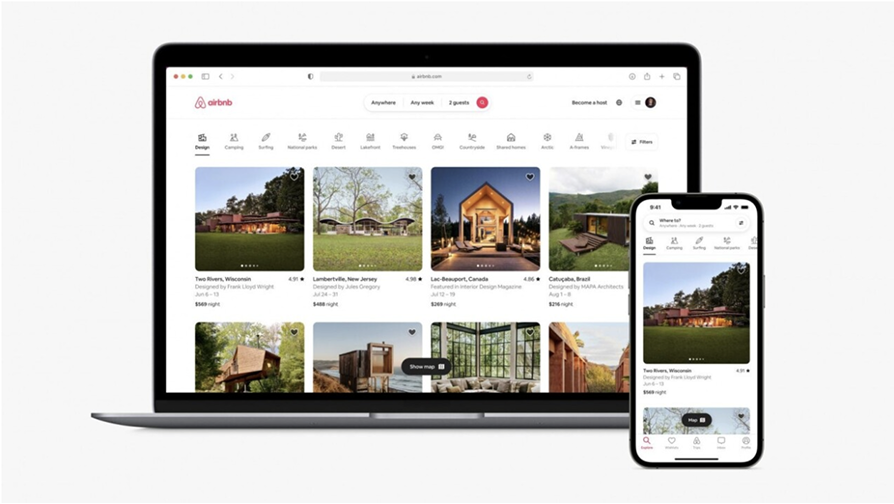
An example of this trend is Airbnb. This company started as a website for finding accommodations among people who wanted to share their spaces with others to live local experiences. It has since transformed its website and expanded its value proposition.
Where we can see it:
This change happened during 2022 thanks to the redesign of its web experience, in which they expanded the experiences their users can have beyond just staying overnight in a place. They expanded to 56 categories that include activities like camping, surfing, places facing the beach, vineyards, or choosing a destination based on the accommodation's design, such as luxurious camping homes (Glamping) or treehouses. The entire web design aims to encourage the user to think more broadly about the places that can offer a satisfying vacation, while promoting properties as unique experiences worth traveling for, regardless of the city they are in.


YOU MIGHT ALSO BE INTERESTED IN:
Prueba 2 in inglish
The Power of Adding Talent to Transform Your Project
A Moment to Play: what we learned at our first community session
Uniqlo's Lessons in Digital Experience and CX Transformation